Sponsorship examples: what good event and sports sponsorship looks like in practice
What makes a sponsorship example worth studying
Sponsorship examples are genuinely useful when they go beyond describing what happened and explain why it worked. The specific amounts, the specific assets, and the specific brands in any given example are less important than the underlying mechanics that made the arrangement successful.
The examples below are drawn from the kinds of properties and brands that make up the majority of the UK sponsorship market away from the top flight: community events, grassroots sports clubs, regional festivals, and local businesses looking to build commercial presence in their area. They are intended to illustrate principles that apply at every scale, from a £800 kit deal between a running club and a local physio practice to a £15,000 title sponsorship at a regional conference.
Three things are consistent across all of them. The audience fit was genuine and specific rather than broad and assumed. The terms were clear and written down before either party committed. And both sides treated the arrangement actively rather than passively: the rights holder delivered what they promised and the brand engaged with the opportunity rather than just placing a logo.
Event sponsorship examples at grassroots and regional level rarely get documented in the way that Premier League shirt deals do. But they represent the bulk of the actual sponsorship market in the UK, and the lessons from them are considerably more applicable to the majority of organisations looking to build commercial programmes.
A local running club and a sports physiotherapy practice
A running club with 300 active members in a medium-sized English town approached a sports physio practice that had opened 18 months earlier. The physio practice had a clear commercial problem: they needed to build awareness among active adults in the local area, and their conventional marketing was generating limited results.
The running club represented a near-perfect audience: 300 people who ran regularly, trained hard, and would periodically need exactly the services the physio practice offered. The connection was obvious, but it had not been formalised.
The arrangement was straightforward. The practice invested £800 for the season. In return, they received their logo on the club's training vest, a permanent mention on the club's website with a link to their booking page, two posts on the club's Instagram account across the year (which had 1,400 followers), and a mention in every club newsletter sent to members. As an additional activation element, the practice donated a voucher for a free initial assessment to be used as a prize at the club's annual 10k race.
The results were measurable. The practice reported a direct uptick in new patient enquiries from club members and their families in the months following the arrangement going live, and directly attributed several new ongoing patients to the club relationship. The logo on the training vest meant the practice name was visible at local parkruns, club training sessions, and competitive events throughout the area.
The club renewed the arrangement the following year at £950, reflecting the club's growth over the intervening months. Three years later, the arrangement is still running at an increased investment level. Both sides cite the clarity of the original agreement and the club's consistent delivery as the primary reasons for the longevity of the relationship.
A food festival and a local brewery
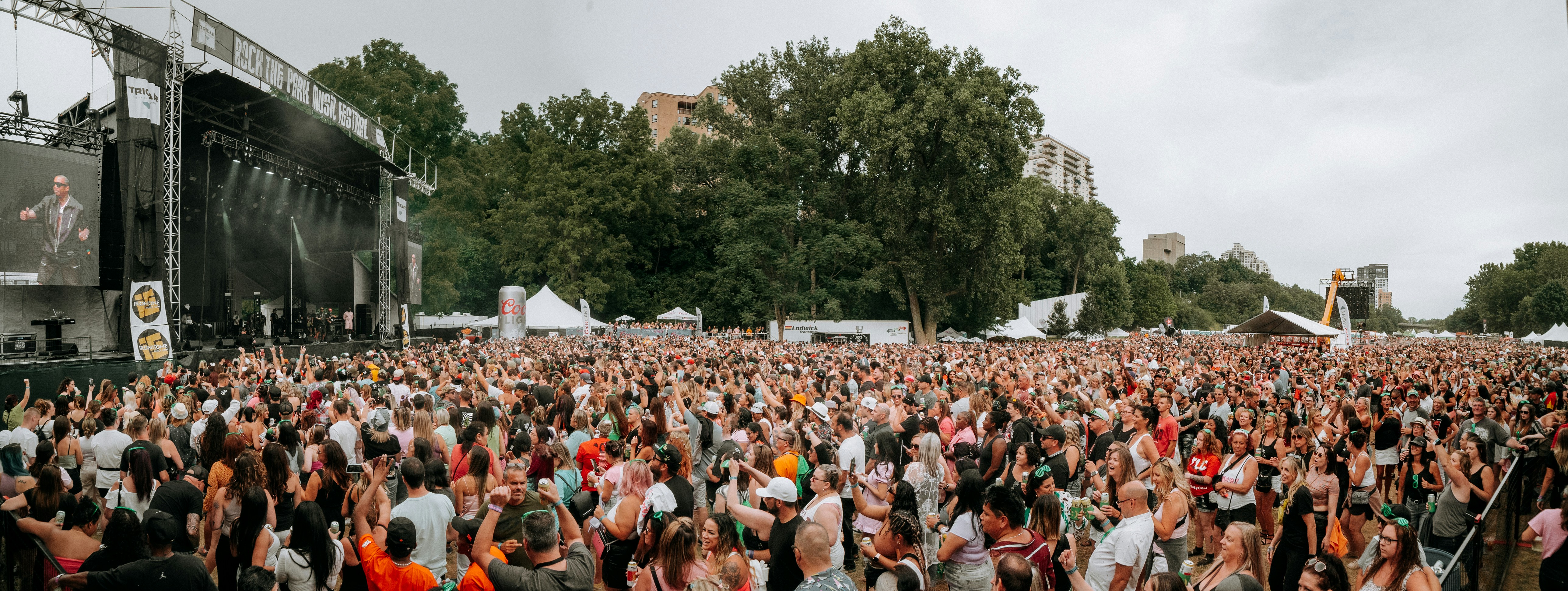
A food and drink festival in its third year was approaching a point where the informal relationships that had sustained its commercial arrangements needed to become formal sponsorship. A local brewery had been providing beer for the event at a subsidised rate for two years, but the arrangement was loose and neither side had fully thought through the commercial value being exchanged.
The brewery had recently launched a new range of bottled beers and wanted to build retail awareness beyond their existing local stockists. The festival offered a direct route to exactly the audience they needed: food and drink enthusiasts in the region, with demonstrated interest in local and artisan products.
A proper sponsorship arrangement formalised the relationship and expanded it. The brewery invested £3,500 plus product at cost for the event. In return, they received title sponsorship of the drinks village area of the festival, branding on all event signage and the main social media campaign, a dedicated stall in a prime position within the drinks village, and an interview slot in the festival's pre-event content series on Instagram.
The festival's social media post announcing the partnership reached 12,000 people and generated 600 profile visits to the brewery's Instagram account in a single day. The weekend itself was the brewery's highest single revenue event of the year from direct sales, and the exposure generated introductions to three local pub landlords who subsequently agreed to stock the bottled range.
The arrangement was renewed for the following year at £4,200 and the year after at £5,000. The festival's commercial director cited the clarity of the structured agreement, compared to the previous informal arrangement, as having transformed the relationship from something transactional into something genuinely strategic for both parties.
A youth football club and an estate agent
A youth football club with six junior teams and around 120 registered players across several age groups approached a local estate agency that had recently opened a second branch in the same area. The estate agency wanted to build their profile with local families: exactly the demographic that supports youth football clubs.
The kit sponsorship deal covered all six junior teams, with the estate agency's logo on the front of each team's training top. Total investment was £1,800 for the season. The club committed to a social media post at the start of the season introducing the sponsor, and another at the end of the season thanking them. A banner carrying the agency's branding was erected at the training ground entrance and remained there throughout the season.
The reach was more significant than the headline numbers suggest. With 120 players across six teams, each with at least two parents, the estate agency logo was seen by approximately 240 families at every training session and every match day. The training ground banner was visible to everyone entering and leaving the facilities, including families from visiting teams.
Three families from the club mentioned the sponsorship connection when making contact with the estate agency, and two of those contacts resulted in property instructions. The agency valued these instructions considerably more than the cost of the sponsorship, making the arrangement commercially positive even without accounting for the brand awareness generated.
The agency renewed for the following season and extended the arrangement to include the senior team at an additional cost. Three seasons later they remain the club's principal partner, having progressively increased their investment as the relationship has matured and the trust on both sides has grown.
A regional tech conference and a software company
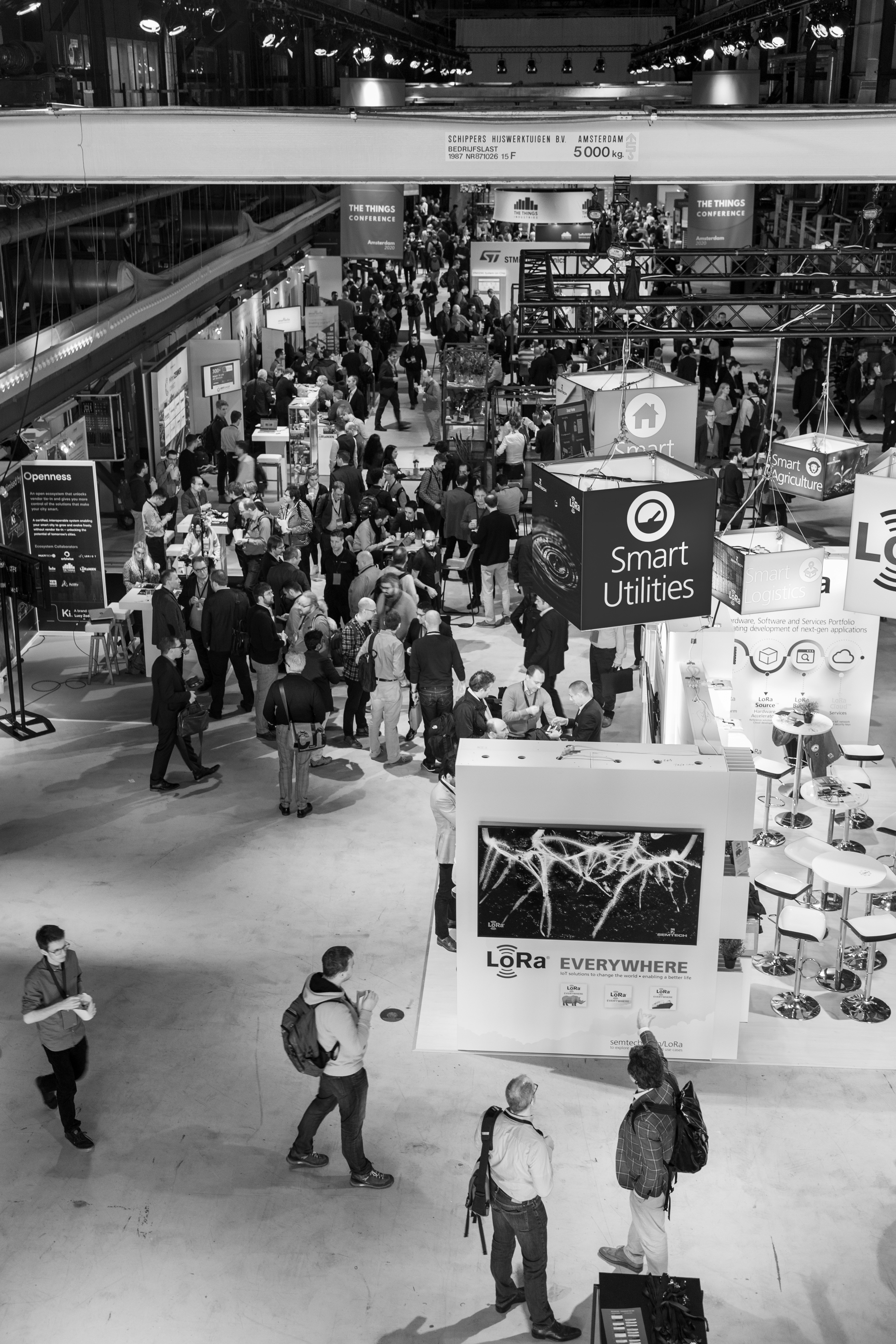
A regional tech conference that had been running annually for five years had an established audience of around 400 attendees: founders, developers, and technology decision-makers at small and medium businesses. A project management software company with an SME focus approached the conference about headline sponsorship.
The audience fit was strong. The software company's target customer was precisely the kind of SME leader or technical decision-maker who attended the conference. The challenge for the software company was that they were competing in a crowded market and needed to establish credibility and awareness with exactly this audience in a way that advertising alone was not achieving.
The headline sponsorship package was priced at £8,000. It included naming rights for the conference's networking evening, which was the event's most attended and most valued session. The software company received a thirty-minute speaking slot in the main programme, the most prominent logo placement across all digital and print materials, a stand at the conference, four social media posts in the run-up to and during the event, and category exclusivity preventing any other software company from sponsoring at any level.
The company generated 47 verified trial sign-ups directly attributed to the conference via a specific landing page shared in the speaking slot. The networking evening gave the company's founder the opportunity to have extended conversations with 12 potential reseller partners, three of whom went on to formal reseller agreements. The speaking slot was filmed and subsequently used as content across the company's own channels.
The company returned as headline sponsor for the following two years, increasing their investment to £10,000 and then £12,500 as the conference grew. The conference director noted that having a committed headline sponsor was transformative for planning the commercial programme, because it provided a financial anchor that allowed the other packages to be sold with greater confidence.
What these event sponsorship examples have in common
Across these four sponsorship examples, the patterns that explain the success are consistent and replicable.
In every case, the audience fit was specific and genuine rather than broad and assumed. The running club had an audience that precisely matched the physio practice's target customer. The food festival audience was exactly who the brewery needed to reach for their new product launch. The estate agency wanted local family visibility and the youth club had exactly that. The software company needed SME decision-makers and the conference delivered them. Audience alignment is the foundation of every deal that works.
In every case, the terms were specific and written down. Not vague promises of exposure but concrete inclusions: this many social posts, this banner size in this position, this logo placement on this material. Specificity prevents disappointment and makes renewal conversations straightforward because both parties know exactly what was delivered.
In every case, the rights holder delivered what they promised. This sounds like a minimum standard but it is not universally met. The consistent delivery is what turns a one-off transaction into a recurring partnership, and recurring partnerships are dramatically more valuable than starting the acquisition process from scratch each year.
And in every case, the brand engaged actively with the opportunity rather than treating it as a passive media buy. The brewery staffed the stall themselves. The software company prepared a specific speaking presentation rather than just placing a logo. The estate agency attended the end-of-season event. Active engagement produces better results than passive placement at every budget level.
Whether you are a rights holder looking for sponsors or a brand looking for the right opportunity to back, Spontzer connects both sides directly. Visit spontzer.com.