How to get sponsors for your event: a practical guide for UK organisers
Why sponsorship of events works differently to other marketing
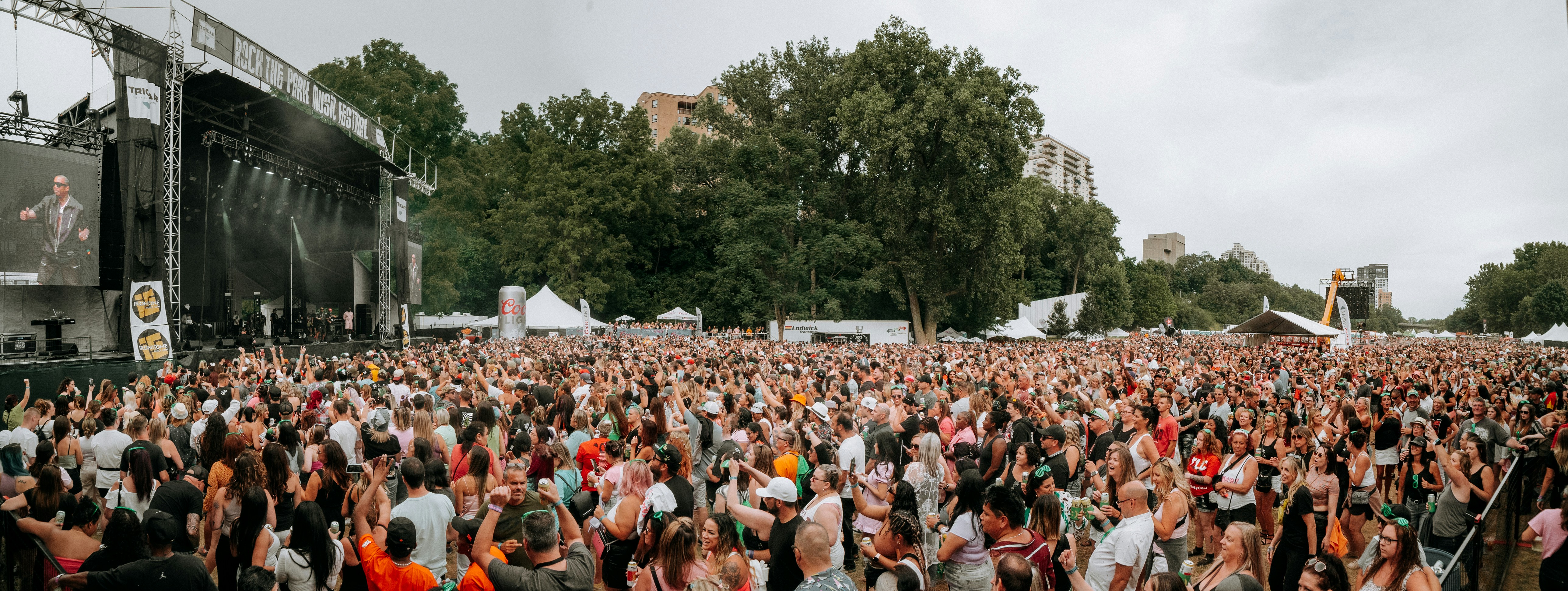
Sponsorship of events is one of the few marketing channels where the brand is welcomed rather than tolerated. When someone attends a festival, a sports event, or a community gathering, they are in a receptive state. They are enjoying something they chose to attend. A brand that shows up in that context, particularly one that adds to the experience rather than interrupting it, benefits from an association that no amount of digital advertising can replicate.
This is why the sponsorship of events has grown steadily even as traditional advertising has fragmented. Brands increasingly want to reach people in contexts where they are genuinely engaged, and event organisers increasingly want commercial partners who add value rather than just writing a cheque. Understanding this dynamic shapes everything about how you approach the process of finding sponsors.
For organisers, the starting point is not "how do I find a sponsor" but "what would make this event more valuable for a brand?" That reframing changes the conversation entirely. You are not asking for help. You are offering access.
What you are actually selling
Before you approach any brand, get clear on what you are offering. Sponsors are buying access to your audience, and the more specifically you can describe that audience, the more useful you become. Vague claims about a passionate community or an engaged audience are common and largely ignored. Specific data is rare and compelling.
Who attends your event? Age range, interests, spending habits, where they travel from, how many of them there are. If you have run the event before, use your actual data. Ticket sales, social media demographics, post-event surveys, anything that gives a brand a clearer picture than they could get from guessing.
Beyond the audience, think carefully about what activation you can genuinely offer. A logo on a banner is the most basic form of sponsorship. The more interesting question is what else you can provide: co-branded emails to your mailing list, product sampling opportunities, naming rights for a stage or session, speaking slots, social media content featuring the brand, mentions in your pre-event marketing. The more specific and concrete your activation offer, the easier it is for a brand to say yes.
Also be honest with yourself about the realistic commercial value. Brands are increasingly asking for return on investment data. If you can show a sponsor that their investment last year generated 5,000 impressions and 200 click-throughs to their website, that is a far stronger case than a promise of exposure. If this is your first event, build in mechanisms now to capture that data, so you have something concrete to offer next time.
Finding the right brands to approach
The most productive approach to finding event sponsors is to think about audience fit before anything else. The brands most likely to say yes are those that already want to reach the people who will attend your event. This sounds obvious but most organisers ignore it in favour of approaching any brand with a visible marketing budget.
A craft beer brand at a food festival is a natural fit. A running shoe company at a 10k makes obvious sense. A local financial services firm at a business networking event has a clear reason to be there. A car leasing company at a grassroots community day does not, regardless of their budget.
Start by making a list of brands that already market to your audience. Who advertises in the publications your audience reads? Who sponsors similar events? Who has the same target demographic as your attendees? These brands are your starting point, not because they are guaranteed to say yes, but because they have the clearest commercial reason to consider it.
Local and regional businesses are often underestimated. A company that wants to build presence in your area, be associated with something positive in the community, and reach the same people week after week is a highly motivated sponsor at a budget that makes grassroots events viable. They also tend to have simpler internal approval processes, which means deals close faster.
Using a platform like Spontzer removes much of the cold outreach grind. Rather than approaching brands that may have no interest in sponsoring events, you are connecting with brands that are actively searching for sponsorship opportunities. The time saving for busy event organisers is substantial.
How to get sponsorship in the UK: writing a pitch that gets read
Understanding how to get sponsorship in the UK means understanding how brand marketing teams actually work. They receive a significant number of sponsorship requests, most of which are too long, too vague, and focused entirely on the organiser's needs rather than the brand's opportunity. Standing out is not difficult once you understand what they are looking for.
Your first contact should be short. One page or less. Its only job is to get a conversation started, not to close the deal. The structure that works is: what the event is and who attends it in two sentences, why this brand specifically is a good fit with a concrete reason, what you are offering in brief, and a specific suggested next step such as a call on a particular day.
If they respond positively, follow up with a full sponsorship proposal. This is where you go into detail: audience data, activation options, tiered packages with pricing, and a clear sense of what working together would actually look like.
Be honest throughout. A brand that signs based on inflated numbers and then discovers the reality is smaller will not renew, and will not speak well of you to other brands. Honest numbers with a compelling story around them are far more durable.
Personalisation matters considerably. A generic proposal sent to fifty brands will underperform against a tailored proposal sent to ten relevant ones. Look at the brand's current marketing, their social media, their recent campaigns. Then write a proposal that shows you understand their world rather than just your own.
Structuring your sponsorship packages
Three tiers is the industry standard for event sponsorship packages, and there is a reason it has become standard: it accommodates different budgets, it creates a sense of hierarchy that makes the top tier feel premium, and it gives brands options rather than a binary yes or no.
The top tier should feel genuinely different from the others, not just bigger. Lead billing in all event marketing, a banner in the most prominent position at the venue, naming rights for a key element of the event such as a stage or competition, the most social media coverage, inclusion in all PR and press releases, and category exclusivity so no competitor can sponsor at a lower level. This tier should be priced at a point that reflects the real value of that exclusivity and prominence.
The middle tier is the one most brands will take, so it needs to feel worthwhile on its own terms rather than like a lesser version of the top. Strong visibility at the event, a solid social media presence, inclusion in your email marketing, and perhaps one activation opportunity such as a stand or product sampling moment.
The entry tier should be genuinely accessible for a local business with a modest budget. Logo on your website and printed programme, a social post or two, and a board at the venue if you have the space. Price it so that a sole trader or small business can participate without it being a stretch.
Give your tiers names that reflect the event rather than generic labels. A music festival might use headliner, support act and opener. A community sports day might use gold partner, silver partner and community friend. Small detail, but it signals that the proposal was built for this event specifically rather than pulled from a template.
Following up and building long-term relationships
Most sponsorship decisions do not happen on the first contact. Sponsors are often enthusiastic but need internal sign-off, budget confirmation, or simply time to review the proposal against competing priorities. A single email followed by silence is not a strategy.
A sensible follow-up cadence is once about a week after your initial approach if you have heard nothing, and once more two weeks after that. If there is still no response after three contacts, move on. The goal is to stay visible without becoming annoying, and three contacts over three weeks is generally well inside that boundary.
Once you close a deal, treat it as the beginning of a partnership rather than the end of a transaction. Deliver exactly what you promised, communicate throughout the event period, and send a post-event report with real data. This is the foundation of long-term relationships, and long-term sponsors are dramatically more valuable than having to start the search from scratch every year.
Ask for a testimonial when the relationship is going well. Nothing accelerates future sponsorship conversations faster than being able to point to a brand that was pleased with what they got.
Spontzer connects event organisers with brands that are actively looking for sponsorship opportunities. List your event at spontzer.com and start conversations with the right brands.