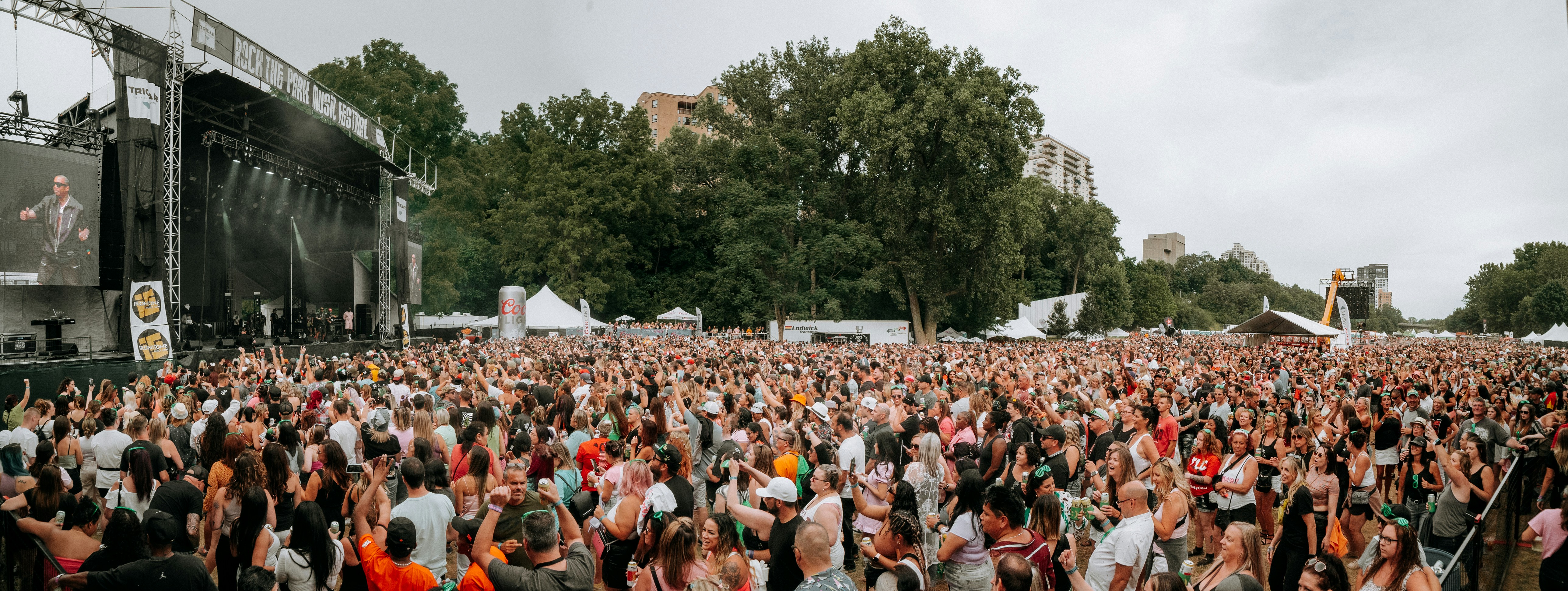
Events to sponsor in the UK: a brand guide to finding the right opportunity
Why brands sponsor events and what makes it work
When brands ask how to find events to sponsor, they are usually asking two questions at once: how do I find events that are looking for sponsors, and how do I know if a particular event is worth the investment? Both questions matter, but the second is often the more important one.
Event sponsorship works when three things are true simultaneously. The audience matches the brand's target customer. The event's values and positioning align with the brand's own identity. And the activation opportunity is rich enough that the brand can do more than just place a logo.
When all three are true, event sponsorship delivers something digital advertising cannot: sustained engagement with a receptive audience in a context they chose to attend. People at a festival are not being interrupted by an ad. People at a sports event are in a heightened emotional state. People at a food fair are actively seeking discovery. These are contexts where brand associations form and stick in ways that display advertising rarely achieves.
This is why the most sophisticated brands treat event sponsorship not as a media buy but as a relationship investment. The goal is not just impressions but the kind of durable association that influences behaviour over time. Understanding this shapes how to evaluate any given opportunity: the question is not just how many people will see the logo, but what those people will think, feel, and do as a result of seeing it in this particular context.
What makes a good sponsorship fit for a brand
Audience alignment is the non-negotiable starting point. If the people who attend or follow a particular event are not plausibly potential customers for your brand, no amount of creative activation or negotiated pricing makes the sponsorship worthwhile.
But audience alignment is more nuanced than simple demographics. It is not enough that an event attracts people in the right age bracket. The question is whether those people, in this context, are in a mindset relevant to your brand. A financial services company might identify that a corporate golf day attracts high-net-worth individuals. But if those individuals are in a social, relaxation context rather than a financial planning mindset, the association may be counterproductive.
Values alignment matters significantly for long-term brand equity. If your brand is associated with quality, sponsoring cut-price or low-value events can subtly undermine that positioning even if the audience is broadly right. If your brand is community-focused and values authenticity, a slick commercial event may feel like a poor fit even if the audience numbers are impressive.
Activation potential is the third key factor. Events that offer only passive logo placement give sponsors limited return on their investment. Events that offer genuine activation opportunities, a stand, sampling moments, a competition, a speaking slot, an interactive installation, give brands a chance to create an experience rather than just an impression. The events worth sponsoring are almost always the ones with richer activation environments.
For UK brands looking to build local or regional profile, smaller community events often deliver better value than large commercial events despite the lower headline audience numbers. The engaged, local audience at a grassroots music festival or a community sports day is frequently worth more per person than the dispersed, transient audience at a large general event.
Where to find events to sponsor in the UK
The traditional route to finding events to sponsor in the UK was through agency relationships, industry contacts, and a lot of cold calling. This is still one route, but it is slow, expensive, and limited to the network of whoever is doing the searching.
Spontzer offers a more efficient alternative. The platform lists verified events, sports clubs, venues and other properties that are actively looking for sponsors, allowing brands to search by audience size, geography, property type and the kind of activation opportunities available. Because every listing is verified, you are browsing real properties with honest audience figures rather than aspirational claims.
Industry associations in your sector are worth consulting. If you sell into a particular trade or professional community, the associations that serve that community will know which conferences, exhibitions, awards and networking events are seeking sponsors. This route tends to surface opportunities with strong audience relevance, since the event audience is defined by professional identity rather than broad demographics.
Looking at what competitors or brands with a comparable audience have recently sponsored is another productive approach. If a brand with a similar target customer has sponsored a particular event, that event has already been evaluated by someone with relevant expertise. This is not a reason to simply follow a competitor's lead, but it is useful intelligence about where events with relevant audiences are active.
Local and regional event calendars published by councils, enterprise partnerships, and tourism boards often include commercial sponsorship opportunities that do not appear in national sponsorship marketplaces. For brands building regional presence, these are worth reviewing regularly.
Social media search, particularly on Instagram and LinkedIn, can surface events in specific niches that have not yet found their way onto formal sponsorship platforms. An event with an active social presence and a clearly defined audience is often a better sponsorship opportunity than its size alone would suggest.
What to check before you commit to sponsoring an event
Before committing to any sponsorship, a structured due diligence process protects your investment and ensures you are making decisions based on reality rather than a well-presented pitch.
Audience verification is the most important step. Ask for attendance figures from at least the last two years, not projections for this year. Request demographic data and ask how it was collected. Ask whether they can put you in contact with a previous sponsor who can give an honest account of the experience. Events that have nothing to hide will be comfortable with all of these requests. Events that become defensive or vague are worth treating with caution.
Get the inclusions in writing and be specific about what each element means in concrete terms. "Social media presence" means nothing without knowing how many posts, on which platforms, to what audience size, and at what times. "Prominent branding" means nothing without knowing exactly where the banner or logo placement will appear and its dimensions. The more specific the written agreement, the fewer disputes arise later.
Find out who else is sponsoring and at what level. If a direct competitor is already committed, you need to know before you sign. Category exclusivity should be negotiated explicitly if it matters to you, not assumed. Ask who the other sponsors are and whether any of them operate in your sector.
Ask about the event's track record specifically around delivery. An event that consistently delivers what it promises to sponsors is worth more than one that over-promises and under-delivers, regardless of the headline audience figures. Previous sponsor testimonials or references are the most reliable evidence here.
Making the most of your event sponsorship
The brands that get the most value from sponsoring events are the ones that treat it as an active investment rather than a passive placement. Simply paying the fee and sending a logo file is the least effective form of event sponsorship.
In the weeks before the event, use your sponsorship status actively in your own marketing. Social posts about your involvement, a mention in your email campaigns, a press release or blog post about the partnership. This extends your reach well beyond the event audience itself and positions your brand as a proactive community participant rather than a passive logo on a banner.
At the event, commit to a genuine presence if the package allows it. A staffed stand with knowledgeable, engaged people beats an unmanned display every time. A branded competition or interactive element gives attendees a reason to engage with your brand rather than just walk past your signage. Product sampling, where relevant, creates direct sensory associations that no amount of advertising can replicate.
After the event, follow up on contacts made, send a thank-you note where appropriate, and measure what the sponsorship delivered in terms that you can report internally. Impressions generated, leads captured, social followers gained, website traffic from event-related content. This measurement is what allows you to make informed decisions about whether to renew at the same level, increase your investment, or redirect the budget.
Spontzer connects brands with verified events, sports clubs and venues that are actively looking for sponsors. Browse opportunities and make contact directly at spontzer.com.